The Kingdom of the Blind God
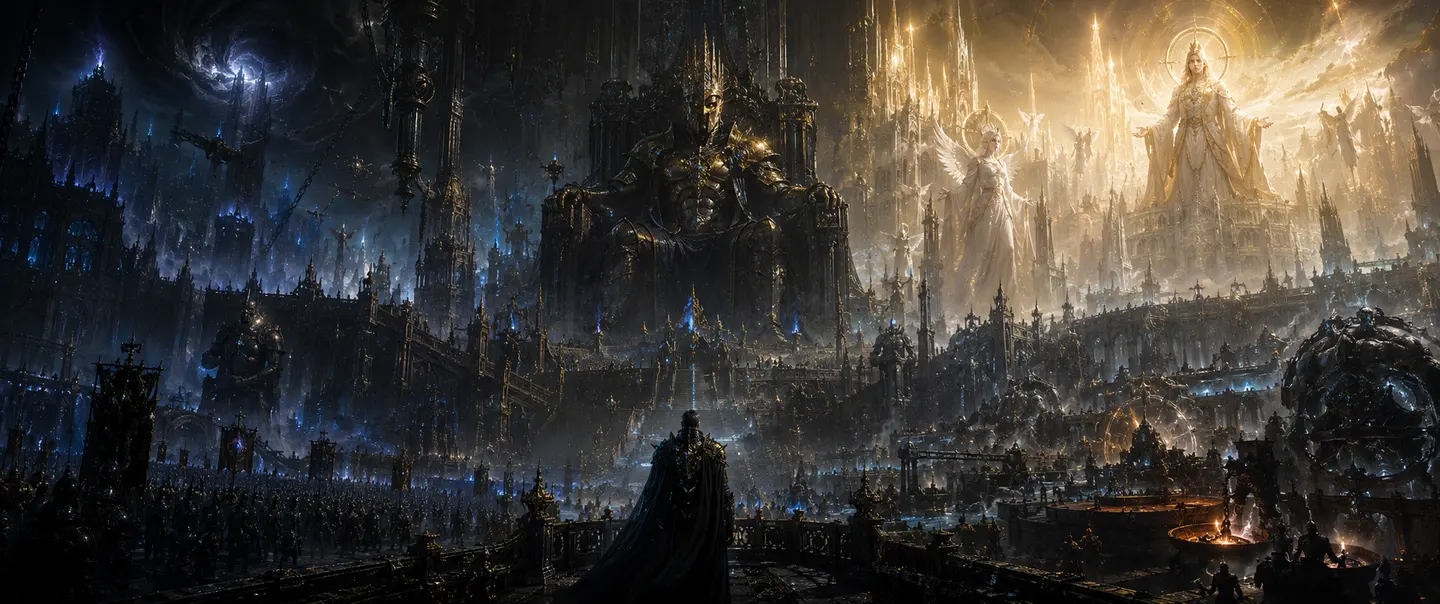
Begin with the kingdom, because Sabaoth did. Before he was a rebel, before he was a doubt, he was a child of the seven heavens, and the seven heavens were magnificent. That is the detail later tellings rush past, and it is the one that makes the story true: the prison was beautiful. Seven firmaments stacked like the floors of a fortress, each with its thrones, its dominions, its wheeling hosts; gates of iron and adamant between them; and over it all, on the highest throne of the seventh heaven, the father, Yaldabaoth, the god of the whole visible world.
Every tyranny raises its children on one lesson, and the lesson is always the same: this is all there is. Sabaoth was born inside that lesson. It was not taught to him as doctrine; it was the shape of everything he could see. His father had made the heavens. His father had stamped the Archons from his own substance to govern them. His father said, I am God, and there is no other, and the architecture agreed.
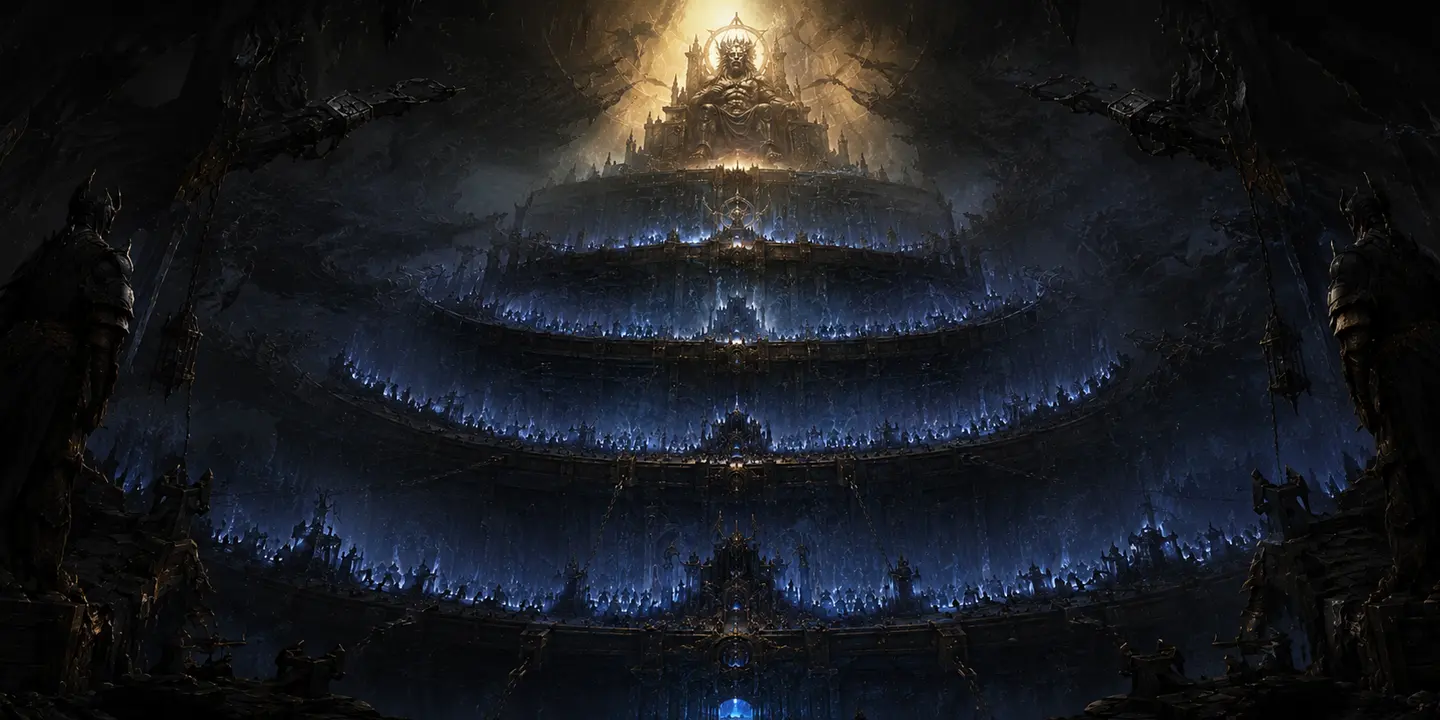
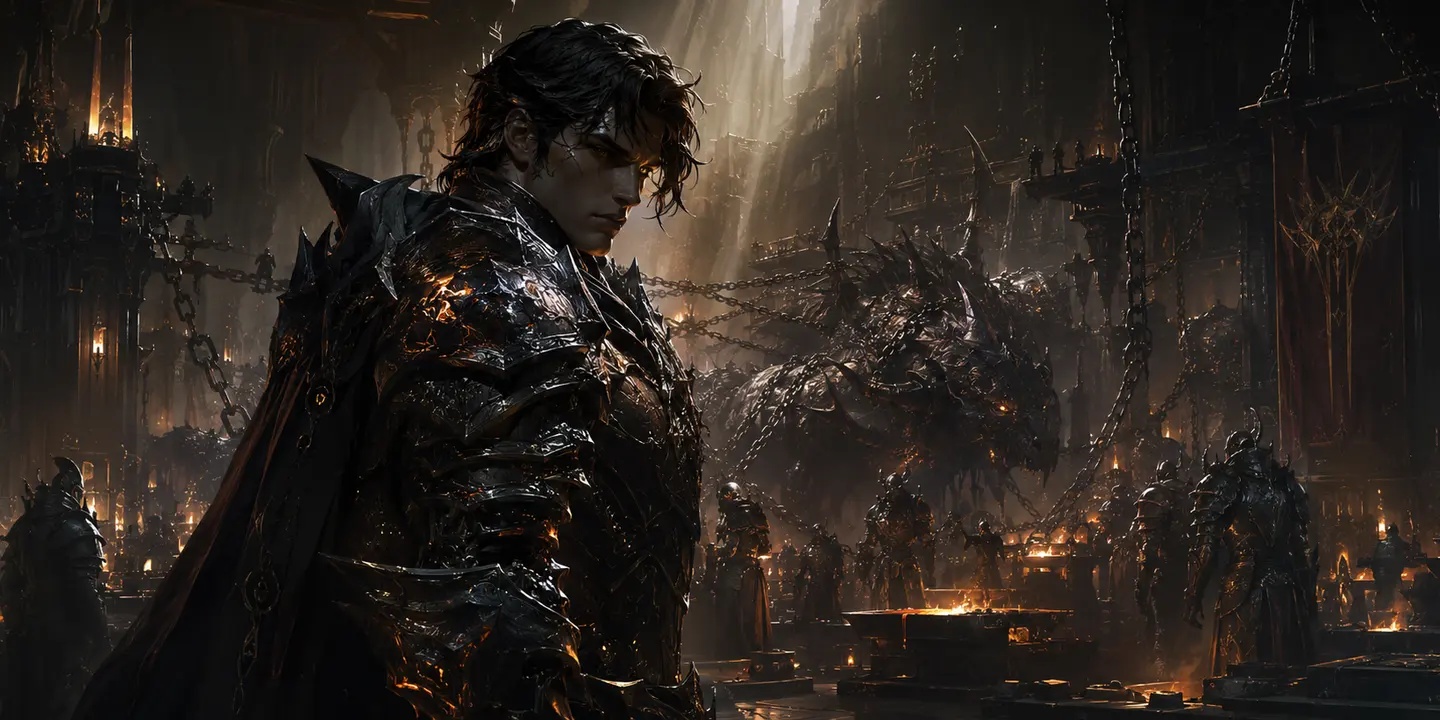
And in the arsenal heavens, the middle firmaments where the kingdom kept its strength, the forges never went cold. There the powers of the dark hammered storm into shape: war engines, blades of frozen lightning, harness for the chained beasts of Chaos. It was into the forges that the young prince was given, almost before he could fly. His father had many sons among the Archons, but this one burned hotter than the stamp he was cut from, and Yaldabaoth, who feared everything he could not use, decided to use it. The boy would be a chief of armies. The boy would be the sword of heaven. The boy was told this was an honor, and for a long age he believed it.
The Prince of Armies
His training was the kingdom in miniature. He learned the drill of the hosts and the order of the gates; he learned the names of the seven heavens and the protocols of their thrones; he learned that questions travel upward and commands travel downward and nothing ever moves the other way. He was good. The texts preserve his title like a rank insignia: Sabaoth, which means Armies, the Lord of Hosts of the lower creation. He was not named for himself. He was named for what he commanded.
And there was real work for a commander, because the kingdom had real enemies. Below the lowest firmament the matter of Chaos still churned, unformed and hungry, and out of it came the raw powers that had never accepted the blind god’s order: tides of formless dark, beasts of the deep churn, insurrections of the unshaped. Against these Sabaoth led campaign after campaign, down at the ragged southern border of creation where his father’s light, such as it was, gave out. He was brave, the way a believer is brave. Every banner he planted, he planted for his father. Every victory was one more proof of the single article of faith: there is nothing above us, and everything below us will kneel.
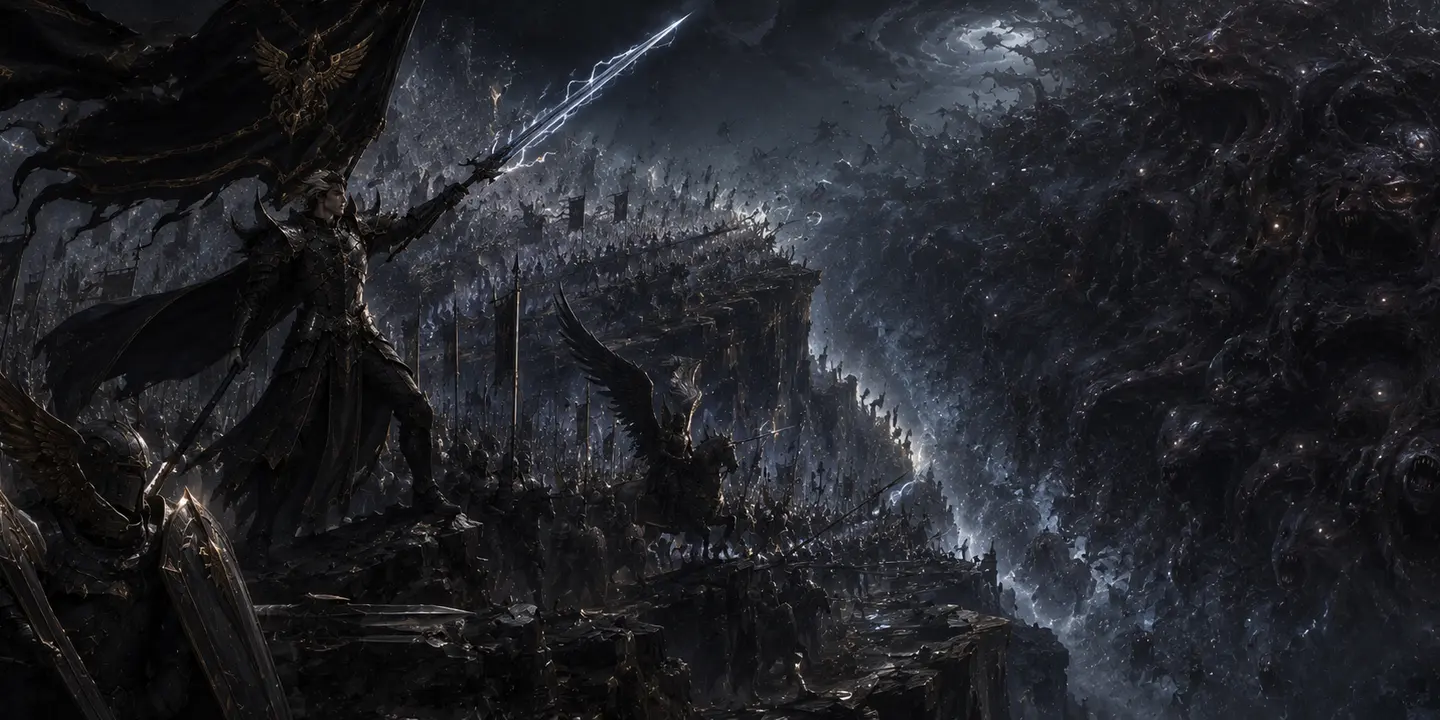
Understand what he was, because the story means nothing otherwise: Sabaoth was not a rebel by temperament, not a secret dissident biding his time. He was the loyal officer of a blind kingdom, the best of them, the son who came home from the wars of Chaos and laid his trophies at the foot of the seventh throne and meant it. What broke his loyalty, when it broke, was not an argument, and it was not an ambition. It was a question he could not put down.
“He was the sword of the kingdom, and a sword does not ask which way it is pointed. Until it does.
The First Doubts
The question began, as the worst questions do, with logistics. Sabaoth was a soldier; he read deployments the way priests read omens. And the deployments of the seven heavens did not make sense. The wars were below, against Chaos. But the fortifications faced up. The strongest gates in the kingdom were not at the southern border where the beasts came from; they were set into the ceiling of the seventh heaven, against a darkness his father insisted was empty. Watchtowers aimed at nothing. Legions garrisoned against no one. You do not post armies, the soldier in him observed, against a thing that does not exist.
Then there was the boast itself. I am God, and there is no other. His father said it constantly, at every assembly, in every decree, stamped on every gate. Sabaoth had commanded troops long enough to know what constant reassertion means: no one repeats a thing that is safely true. And there was the word light, which was forbidden, and which therefore everyone knew. Why forbid the name of a thing that is not real? Why does the god of everything flinch at a word?
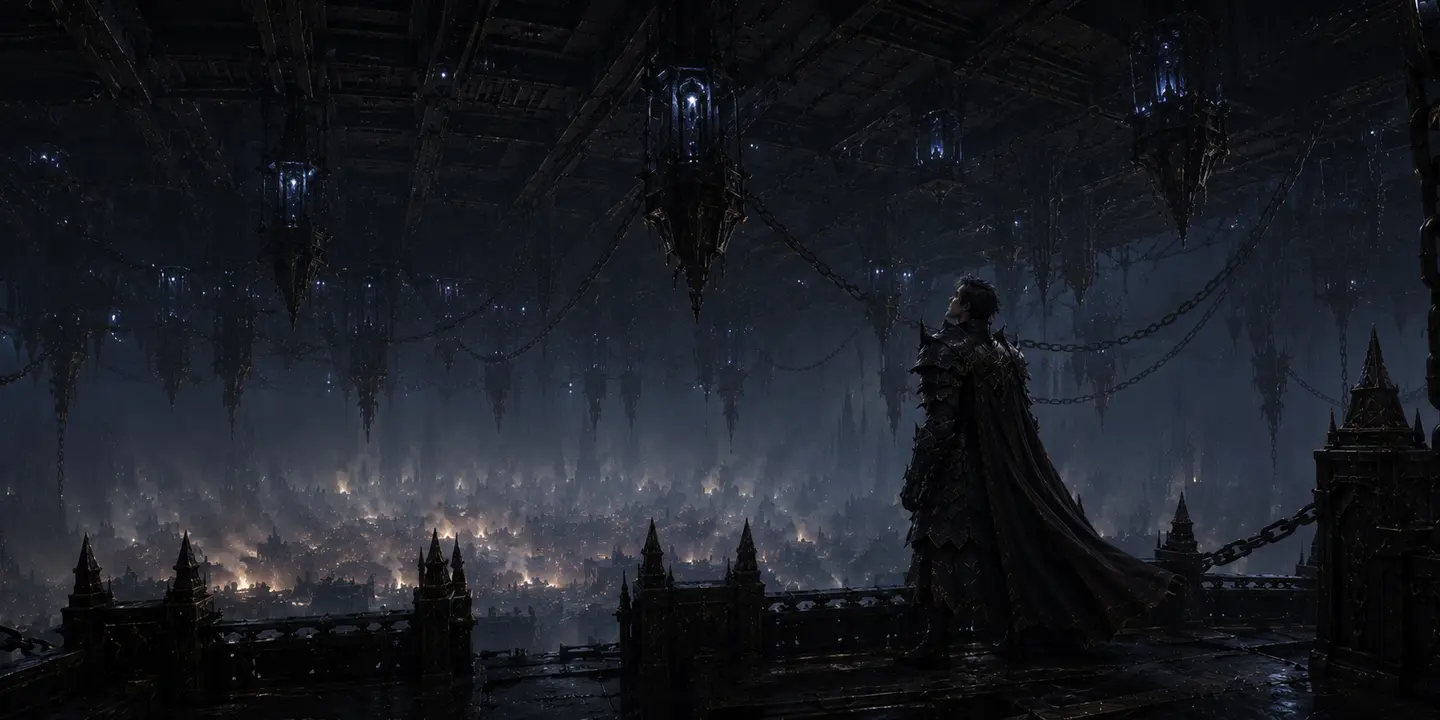
He tested the doubt on his brothers, carefully, the way you test ice. The other Archons did not refuse the question; they could not hear it. That was the discovery that frightened him more than any answer would have: the blindness was not a policy, it was a condition. Made from their father’s substance, they had inherited his wound entire, the incapacity to conceive of anything above themselves. Sabaoth alone, for reasons the texts leave to the light itself to explain, could frame the thought. He stopped asking aloud. He kept the question where the kingdom could not see it, and it burned there like contraband, and it would not go out.
“Why does the god of everything fear a word? Who fortifies a ceiling against the empty dark? He asked no one, because there was no one in seven heavens who could hear the question.
The Vision of Sophia
It happened at the top of the kingdom, on the ramparts where his doubt had been born. The scriptures place it just after the loudest of his father’s boasts, when the whole assembly of the heavens had echoed I am God, and there is no other, and the echo had died, and in the silence after it, an answer came down out of the height. The answer was not addressed to Sabaoth. It passed through him anyway, heaven by heaven, on its way to the throne.
“You are wrong, Samaël, god of the blind. Before you was the light, and above you it remains.
The other Archons heard it as noise, or as threat, and braced against it. Sabaoth heard it as what it was: information. The answer to the question he had carried in secret through every campaign. And as the voice passed, he looked up, past the batteries and the inverted watchtowers, and saw what the fortifications had been built against: a crack of radiance above the seventh firmament, light beyond anything in his father’s spectrum, and within it, a figure, feminine, sorrowful, blazing, looking back at him. The texts call her Pistis Sophia, Faith-Wisdom. He did not know her name yet. He knew, instantly and completely, two things: that his father was not the highest god, and that he himself was made, in some stolen fraction, of the same light he was looking at.
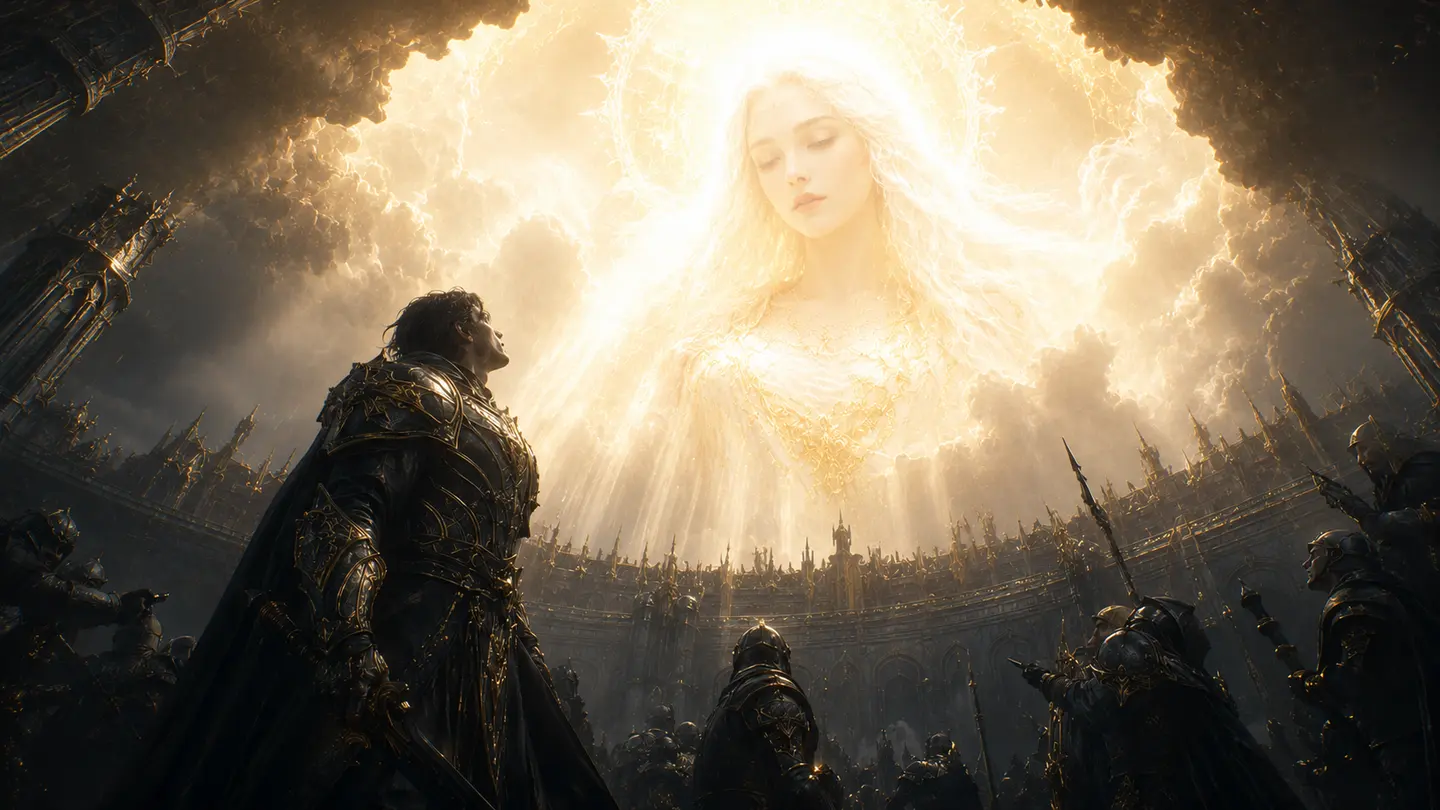
The Gnostic texts compress what followed into one terrible, simple clause: Sabaoth heard the voice of Wisdom, and he believed. Not after deliberation, not after weighing his prospects; faith, in these stories, is always recognition, the sound of a thing the spark inside already knew. In the son of the blind god there was light too, the same stolen light that was in all the works of the kingdom, and at the sight of its source it stood up.
The Rebellion
What separates this story from every safe conversion in every scripture is what he did next: he said it out loud. Not in a cellar, not in a coded psalm, but in the open court of the seventh heaven, before the assembled powers, with his father on the throne above him. The texts give the declaration in three movements, like a rite performed in reverse: he condemned his father; he condemned the matter of Chaos, the stuff the whole kingdom was quarried from; and he praised the light, by name, the forbidden word, ringing off the iron vaults that had been built to keep it out.
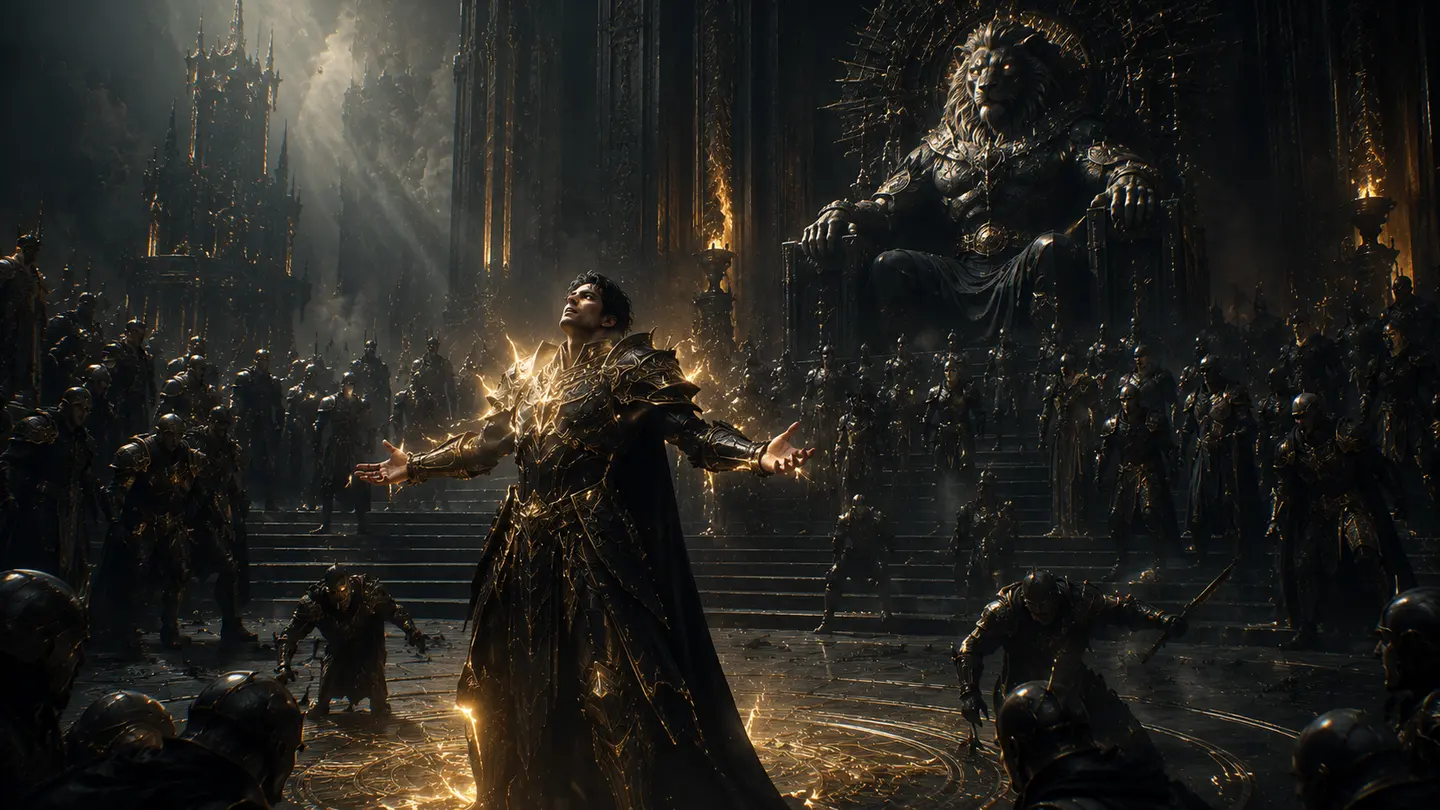
The word the court found for him was the oldest one: traitor. It was, from inside the kingdom’s logic, exact. He was the sword of heaven, and he had announced which way he now pointed. Yaldabaoth raged, the texts say, with the special rage of a god contradicted twice, once by the voice, and now by his own best evidence, his finest son, standing in his own court testifying that the voice had told the truth. There could be no trial; a trial admits a question. There was only the sentence, and the sentence was war.
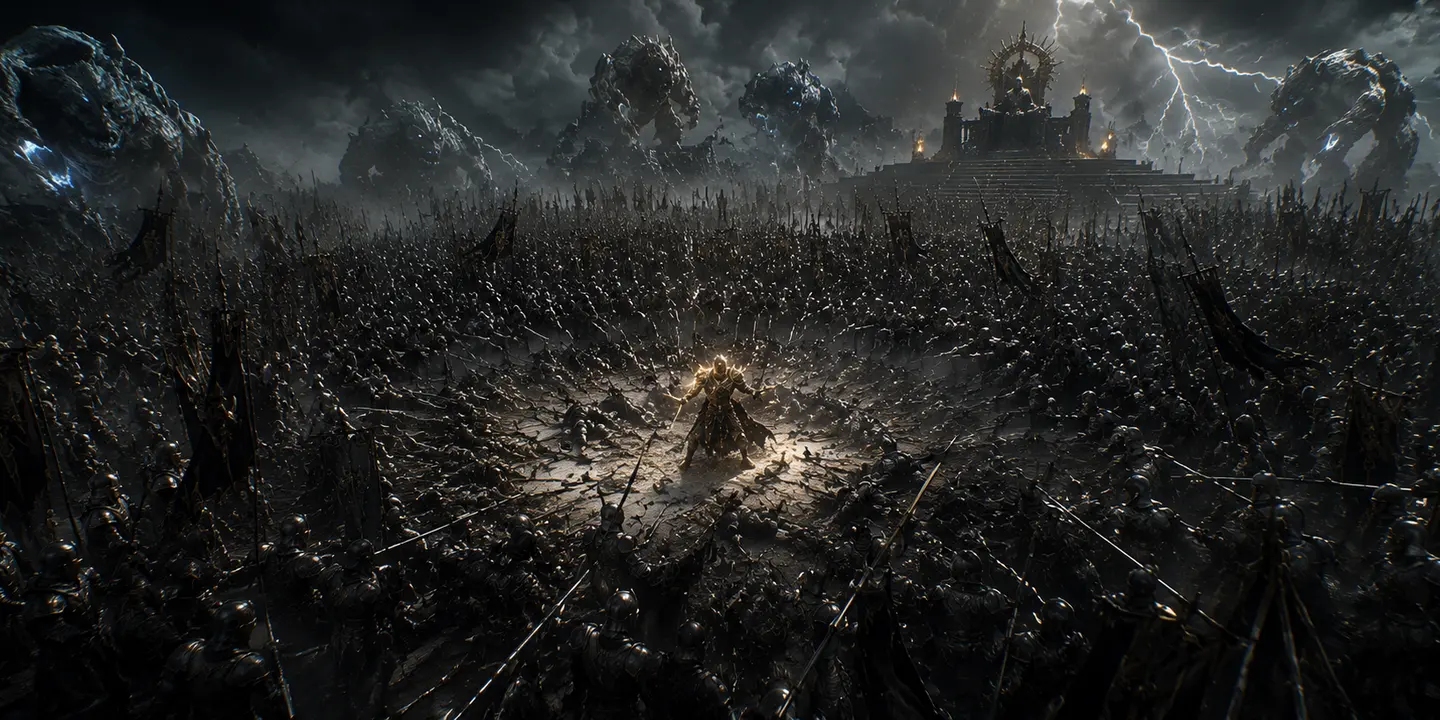
And so began the only civil war in the history of the seven heavens. Every other power of the kingdom held; the machinery of the dark is nothing if not loyal. One prince stood against the whole architecture, with nothing on his side but the thing he had seen and could not unsee. The books give the war a single line, but a line with armies in it: the powers of Chaos made war on Sabaoth, and he was one against a kingdom.
“And when he had condemned his father and the matter of Chaos, and praised the light, all the hosts of the seven heavens rose against him.
The Battle
The armies he had built came for him, and no one in the seven heavens knew better than Sabaoth exactly how they would come. He had written the drill. He had forged the blades. For a while, the old soldier held the war he had trained his enemies to fight: the legions of the blind god breaking wedge after wedge against one prince who knew every order before it was given. But knowledge is not numbers. The kingdom was inexhaustible, and he was one, and the end of that arithmetic was never in doubt. The texts state it as plain fact, not suspense: he would have been destroyed.
Except that the light he had confessed took his confession seriously. Sophia, watching from above the wreckage of her own fall, reached down for the one soul in the dark kingdom that had answered her voice. The scripture says she sent seven archangels of her light, who came down through the war like dawn through a shutter and caught Sabaoth up out of the battle, out of the closing ring, out of the seventh heaven of his father, up to the border of the eighth.
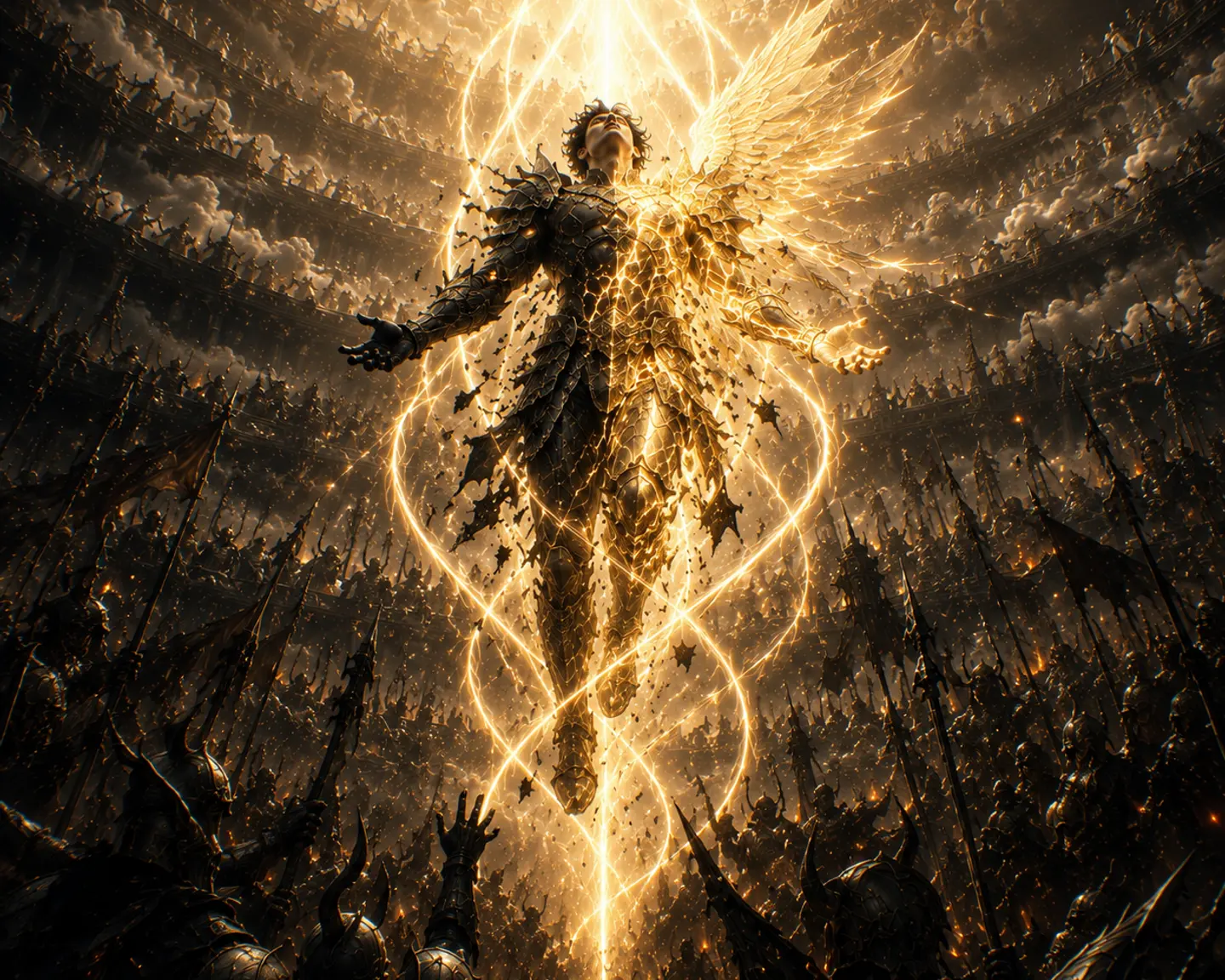
And in the rising he was changed. That is the word the tradition uses, not rewarded, not promoted: changed. The light he had carried as contraband all his life was answered at last by the light outside, and the one caught fire from the other. What the seven streams set down at the border of the eighth heaven was no longer the blind god’s general in stolen gold. It was a power of the light, wearing the shape of everything Sabaoth had been, the way dawn wears the shape of the mountain it breaks over.
“And Wisdom stretched out her hand, and he was taken up, out of the kingdom of his father, into the light he had confessed without seeing.
The New Kingdom
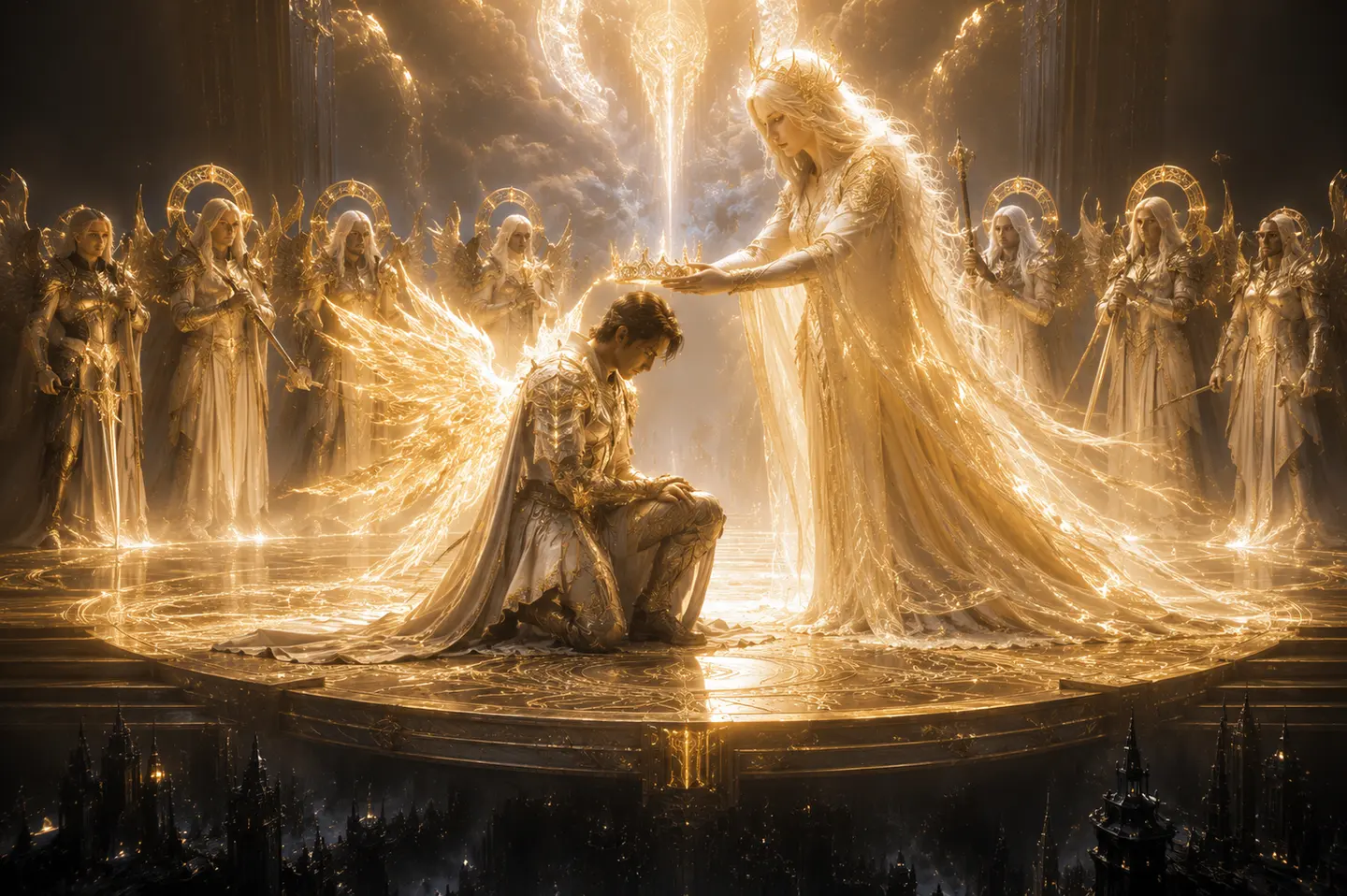
What happens next is stranger than a rescue, and it is the reason this small story mattered so much to the people who preserved it. Sabaoth was not carried off to safety and retired. He was crowned. Sophia herself, the texts say, set the diadem on him and gave him a throne of glory in the seventh heaven, the highest office of the very kingdom he had betrayed, seated above the jailers, below the door. Wisdom set her convert to govern the machine from inside it.
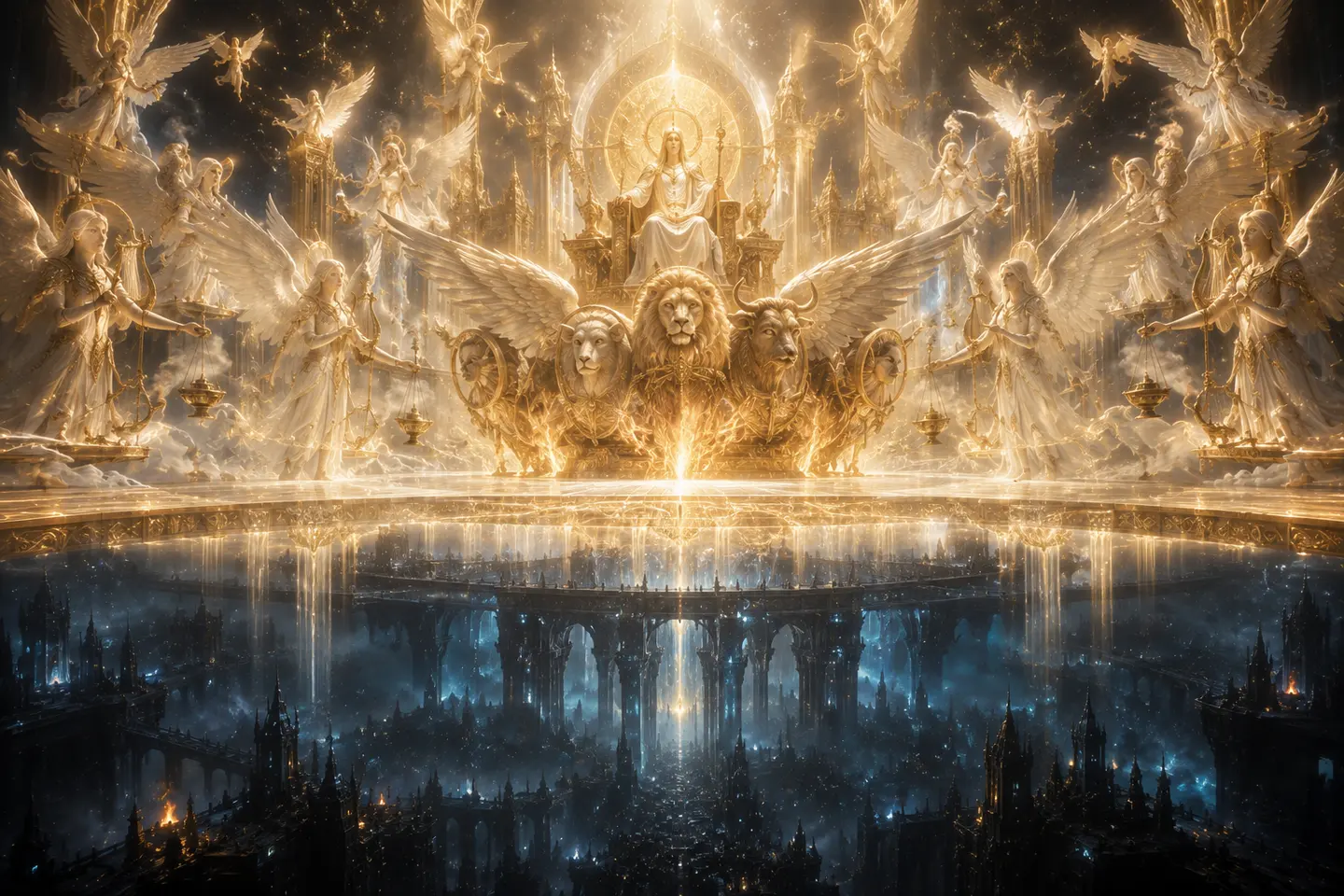
Then the palace was raised, and the texts linger on it with an architect’s delight: a great dwelling built for him at the front of the seventh heaven, before his mansion a throne, and the throne set on a four-faced chariot of cherubim, man, lion, ox and eagle wreathed in wheels of fire. Hosts he had not commanded came to him now unbidden: seraphim in processions of flame to serve at the new court, cherubim to bear the throne, ranks of ministering angels, harpists, the texts even say, music, in the kingdom that had only ever known drill. The seventh heaven, which had been the top floor of a prison, became something no one had planned: a court of light with a working address inside the dark.
And because a governor needs more than glory, he was given counsel. Sophia sent her daughter Zoe, whose name means Life, to sit at his right hand and teach him all the things of the eighth heaven, the realm he had been raised toward but not yet into. Picture the tutorial: the old soldier of the dark, crowned in light he barely understands, and beside the throne a young power of the higher world, patiently unteaching him a kingdom’s worth of lies. On his left hand were set the angels of the lower order, so that his court held both worlds at once, instruction above, administration below. The defector had become the hinge of the cosmos: an appeal court seated between the prisoners and the door.
“And Sophia set her daughter Zoe at his right hand, to teach him concerning all the things that are in the eighth heaven; and at his left she set the angels of the lower world.
Epilogue · The Lamp in the Prison
His father, one heaven below, saw the light above him occupied by his own son and understood at last that the voice had told the truth: there was something above him, and now it had a face he knew. The texts say Yaldabaoth envied him, and that this envy, dripping downward through the heavens, is where death entered the kingdom. Even the myth’s cruelties are tidy: the world got death the day its god first felt inferior.
But the story does not end on the father’s envy. It ends on the son’s watch. Sabaoth reigns there still, as far as the tradition is concerned, and his seventh heaven has become what no fortress of the kingdom was ever designed to be: a refuge. A place inside the prison where the light is not contraband. Souls rising, prayers passing, every small trafficking between the depths and the height moves past his throne, and is not stopped there. The kingdom’s one commandment, there is nothing above us, stands refuted in public, permanently, by a lit window every Archon in seven heavens can see.
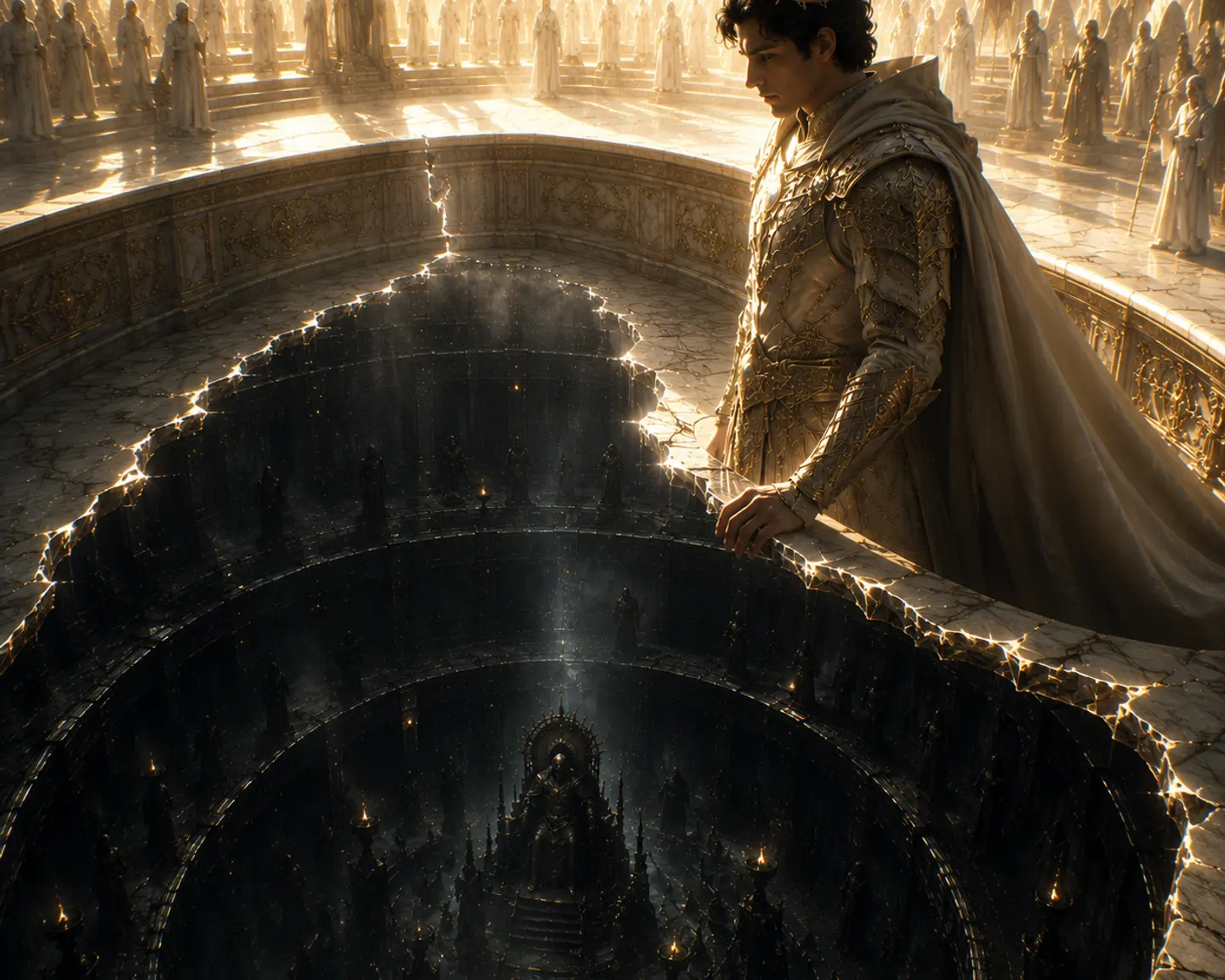
And the texts allow him, at the last, the one feeling the kingdom never forged into him: grief. Not repentance, he has done that, and not hatred, which he left on the battlefield, but sorrow, looking down at the blind father still hunched on the dark throne, still saying I am God, and there is no other to halls that believe him less each age. Sabaoth knows what his father cannot: that even the blind god is made of borrowed light, and that borrowed light goes home. So the son keeps his lamp burning in the window of the seventh heaven and waits, the tradition says, for the day appointed, when the last spark is gathered, when the prison is unbuilt floor by floor, and when all the creation of the dark, its heavens, its hosts, even its blind and furious king, is brought back at last into the Light it came from.
“For the light shall gather up its own, down to the last spark; and of the kingdom of the dark, nothing shall remain but what it always was, light, going home.